
You meant to sort lunch the night before. You did not. Now it is 7am, you have 10 minutes before leaving, and the choice is either throwing something together fast or spending money on food during the day — again.
These quick lunch ideas for work are built around that exact situation. Not meal prep that requires a free Sunday afternoon, not recipes with 12 ingredients, but the fastest realistic options for people who need lunch sorted before they walk out the door.
A survey of 1,000 UK office workers found that 42% bring lunch from home — making it the most common work lunch habit in the country. The same research found the average UK worker spends between £15 and £20 per week on bought lunch, which adds up to over £1,000 per year. Bringing lunch from home even two or three days a week cuts that significantly.
Short answer: wraps and flatbreads assembled in 3 minutes, leftover pasta or rice from the previous evening, a tin of something over crackers, a simple grain salad prepped in 10 minutes, or overnight oats in a jar that double as lunch. All of these quick lunch ideas for work take under 10 minutes and travel well in any basic container.
6 Quick Lunch Ideas for Work That You Can Actually Make in the Morning
These are all fast, portable, and require no heating at the office — which removes the microwave queue problem entirely.
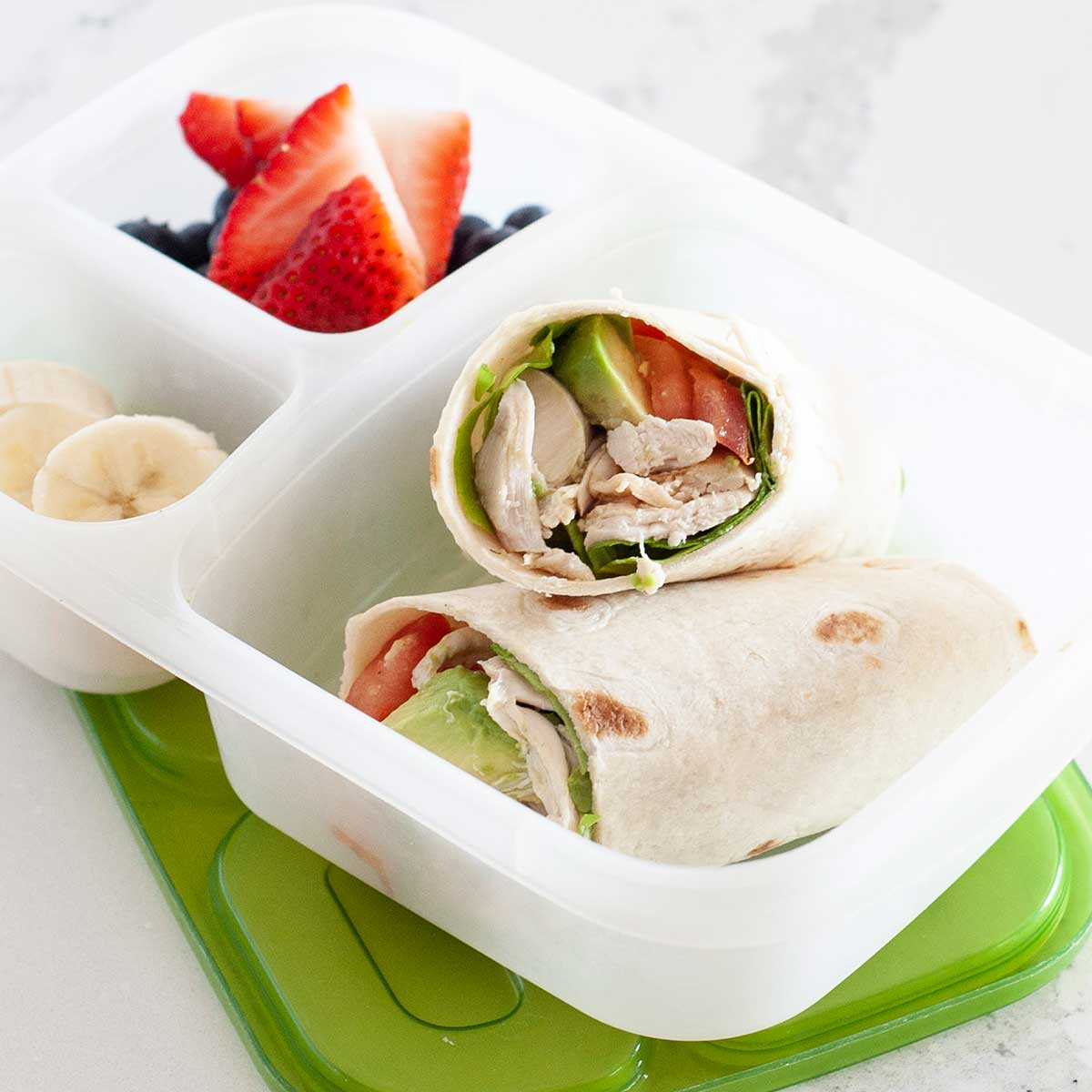
1. The 3-Minute Wrap (3 minutes)
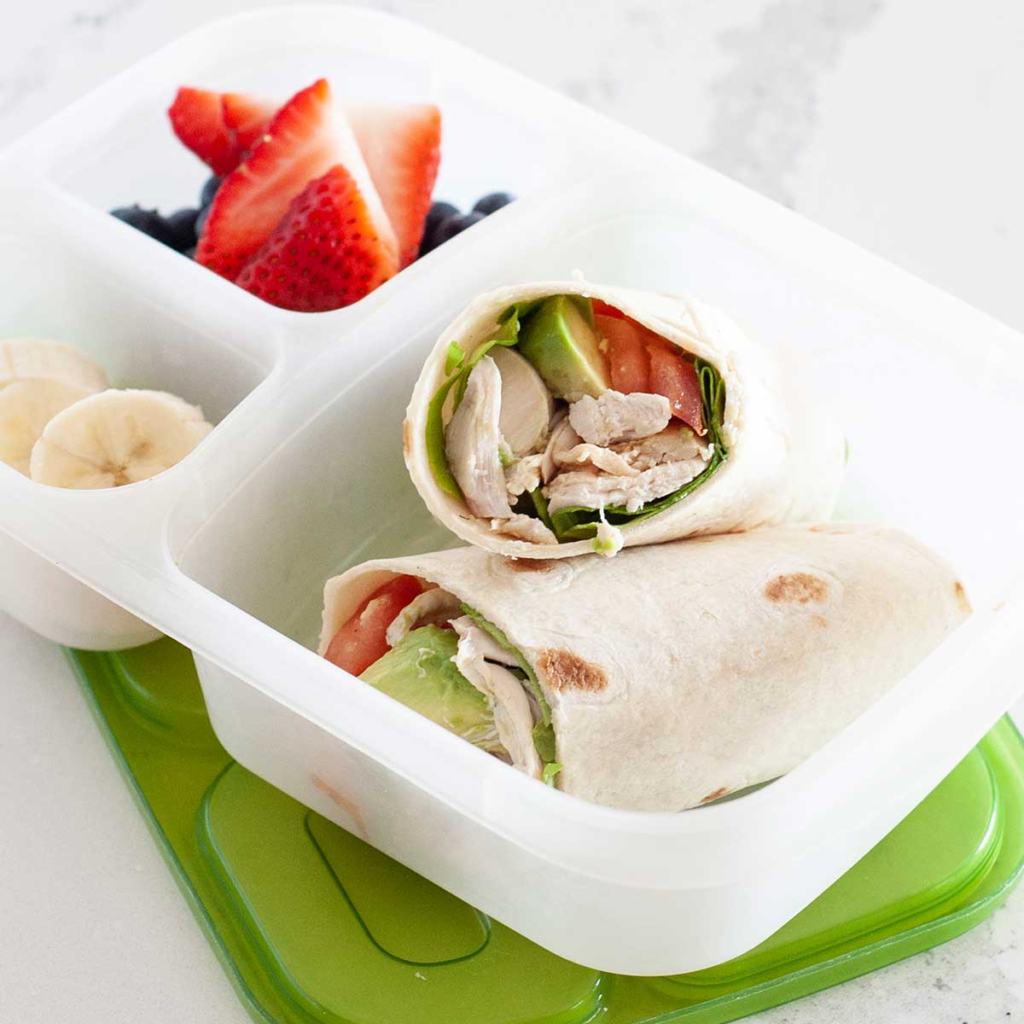
A large tortilla or flatbread, whatever protein is available, a handful of any vegetables, and a sauce or spread. Roll it. Done.
The fastest combinations: cream cheese and cucumber, hummus and roasted peppers from a jar, tinned tuna with a squeeze of lemon and whatever salad leaves are in the fridge, leftover chicken with any sauce from the fridge door, or simply cheese, sliced tomato, and mustard. None of these require cooking. They require opening things and laying them on a flatbread.
Wraps are the most practical quick lunch for work because they travel without a container, stay intact for several hours, and require zero preparation skill. Keep a pack of tortillas and a tub of hummus permanently in the kitchen. Combined with anything else that is available, they always produce a lunch in under 3 minutes.
If budget is a consideration, hummus is one of the cheapest spreads available in European supermarkets at around €0.80–1.20 for a large tub. Combined with a 10-pack of tortillas at under €1.50, this lunch costs well under €0.50 per day — a fraction of buying food at work. The guide on cheap meal ideas when broke has more on the cheapest ingredient combinations for exactly this kind of situation.
2. Leftover Pasta or Rice in a Container (5 minutes the night before, 0 minutes in the morning)
This is the most efficient quick lunch for work that exists, because the preparation happens at dinner the night before and requires nothing on the morning itself.
Cook slightly more pasta or rice than you need for dinner. Put the extra in a container while still warm. Add a drizzle of olive oil to prevent clumping. Close the lid and put it in the fridge. In the morning, pick it up and put it in your bag.
Cold pasta eaten at room temperature is a perfectly good lunch. Dress it with olive oil and lemon juice or any vinegar-based dressing before leaving. Add whatever is convenient — cherry tomatoes, olives, a tin of tuna, leftover vegetables, a boiled egg. None of it needs heating at the office.
Research consistently shows that 77% of Gen Z and millennials in the UK believe that taking a proper lunch break significantly enhances their productivity upon returning to work — which makes having a real lunch ready, rather than skipping it or eating something unsatisfying, worth the minimal effort this approach requires. PubMed Central
This also connects to the evening routine. If quick dinners are already part of the plan, making extra for the next day’s lunch adds nothing to the cooking time. The article on quick dinner ideas after work covers the fastest weeknight dinners that work well as next-day lunches too.
3. Tinned Fish on Crackers or Rice Cakes (4 minutes)
A tin of tuna, sardines, or mackerel. A pack of crackers or rice cakes. Something to add flavour — lemon juice, a spoon of mayo, capers, hot sauce, or just olive oil and salt. Pack them separately and assemble at the office.
This works because the tin lasts until you open it, the crackers do not go soggy in transit, and assembly takes 30 seconds at your desk. It is one of the only genuinely portable lunches that does not require a container beyond a small bag.
Tinned fish is one of the most cost-effective protein sources available. According to the NHS Eatwell Guide, oily fish such as sardines and mackerel are among the best dietary sources of omega-3 fatty acids and are recommended at least once a week. A tin costs under €1 in most European supermarkets and provides a complete protein source for lunch with no cooking required.
4. The Assembly Salad Jar (8 minutes)
A mason jar or any container with a lid, layered with: dressing at the bottom, then heavier ingredients (chickpeas, cherry tomatoes, cucumber, corn), then lighter things (lettuce, spinach, herbs) at the top. Shake when ready to eat at lunch.
The dressing-at-the-bottom method keeps the leaves from wilting during transit. It works because the dressing only contacts the leaves when you shake the jar, which you do right before eating. This is how salad jars stay fresh for hours in a bag.
The fastest version: a tin of chickpeas drained, cherry tomatoes halved, cucumber diced, any salad leaves on top. Dressing: two tablespoons of olive oil, one of lemon juice or vinegar, salt and pepper, mixed in the bottom before adding anything else. Total time: 8 minutes.
A tin of chickpeas provides around 15g of protein and 12g of fibre per 400g tin, according to the British Nutrition Foundation, making this one of the most filling plant-based lunches available at very low cost.
5. Overnight Oats — Also Works as Lunch (0 minutes in the morning)
Overnight oats prepared the night before in a jar are typically thought of as breakfast, but they work equally well as a desk lunch — particularly on busy days when a proper mid-day break is not realistic.
Make them the standard way the night before: 80g oats, 200ml milk or yogurt, a teaspoon of honey. In the morning, grab the jar. At lunch, eat at your desk. Add a banana or a handful of nuts carried separately for protein and fat.
Around 60% of UK workers eat lunch at their desk rather than taking a proper break — making a no-assembly, no-heating, no-effort option like this particularly practical for the reality of most office environments. PubMed Central
If mornings are consistently too rushed to even think about lunch, the piece on quick breakfast ideas before work covers how to build a morning routine that creates a few extra minutes — which is often enough time to sort lunch as well.
6. The 5-Ingredient Grain Bowl (10 minutes the night before)
Cook a portion of rice, quinoa, or couscous — couscous specifically takes 5 minutes by just covering it with boiling water and leaving it for 5 minutes. Add: a tin of chickpeas or lentils drained, cherry tomatoes or any raw vegetable, olive oil and lemon juice, and salt. Mix. Refrigerate. Grab in the morning.
This is a complete, filling lunch that keeps well for 24 hours and travels without any issues. The couscous method specifically is worth knowing — no pot, no hob, no timing. Boiling water from a kettle, poured over the couscous in a bowl, covered with a plate for 5 minutes. That is it.
Add whatever else is in the fridge: a boiled egg on top, sliced cucumber, olives, feta if you have it. The base works without any of these. Olive oil, lemon, salt, chickpeas, and couscous is a complete lunch for under €1.20.
What to Do If You Have Absolutely No Time in the Morning
If you are out the door in under 5 minutes with no lunch sorted: take a banana, a small bag of nuts, and whatever is in the fruit bowl. This is not ideal but it covers the mid-afternoon energy drop that comes from eating nothing. Stop at a supermarket on the way to work and pick up own-brand crackers and a tin of fish — both available for under €2 combined and both ready to eat with no preparation.
The £1,000-per-year figure for bought lunches mentioned above breaks down to around £4 per working day. Crackers and a tin of tuna from a supermarket cost under €2. The difference is significant over a month.
Quick Tips Worth Knowing
- Batch-cook a large portion of grains on Sunday — rice, quinoa, or couscous keeps well in the fridge for 4 days. Having cooked grains available means any of this week’s lunches take under 3 minutes to assemble each morning.
- Hard-boiled eggs keep in the fridge for a week and add protein to any of these lunches with no additional preparation. Cook 4–5 at once on Sunday.
- A small bottle of olive oil and a lemon kept at the office means you can dress any lunch when you arrive rather than worrying about leaks in transit.
- Keep a permanent desk drawer supply: crackers, a small jar of nut butter, and a pack of dried fruit. This covers the days when nothing was prepared and buying food is not an option.
- Bringing lunch from home even twice a week could reduce annual lunch spending significantly compared to buying daily — and the preparation time for the options above rarely exceeds 10 minutes. PubMed Central
Related Situations You Might Also Be Dealing With
The lunch problem and the dinner problem are usually connected. People who have nothing sorted for lunch often have the same issue in the evening. The guide on quick dinner ideas after work uses the same logic — a small set of fixed options that remove the decision — and the dinners in that article work well as next-day lunches when made in larger portions.
When money is tight and buying lunch is genuinely not an option, the options in cheap meal ideas when broke include several that work as packed lunches, particularly the bean stew, pasta combinations, and tinned fish options.
And if mornings are consistently too rushed to think about both breakfast and lunch, the piece on quick breakfast ideas before work covers how to build a faster morning that creates time for both.
FAQ
What are the quickest lunches to take to work? A wrap assembled in 3 minutes, leftover pasta or rice from the previous evening requiring zero morning effort, tinned fish on crackers assembled at your desk in 30 seconds, or overnight oats prepared the night before and grabbed in the morning. These quick lunch ideas for work all take under 10 minutes of active preparation and travel well without heating.
How do I avoid spending money on lunch at work? Keep three things permanently stocked: tortillas or flatbreads, a tin of something (tuna, chickpeas, beans), and a spread (hummus, cream cheese, or peanut butter). These three components together produce a different lunch every day for under €1 and require no preparation beyond assembly. A Moneypenny survey found UK workers spend over £1,000 per year on bought lunches — bringing food from home two or three days a week cuts this substantially.
What lunch does not need to be heated at work? Wraps, salad jars, cold pasta or grain salads, crackers with tinned fish or cheese, overnight oats, and fruit with nuts all travel well at room temperature and require no microwave. These are the most practical office lunches because they avoid the queue and the logistical problem of refrigerating and heating food at work.
How do I meal prep lunches without spending a whole Sunday on it? Cook more rice or pasta than you need for dinner once or twice a week — this takes no additional time. Keep a tin of chickpeas and a pack of crackers on a dedicated shelf. These two habits alone cover most working lunches without any dedicated meal prep session.